

U.S. inflation has reached 4.2%, its highest level in more than three years. However, Bitcoin has barely reacted to the data, and this is now raising a key question for investors.
For a long time, financial markets followed a simple logic: when the purchasing power of currencies declines, demand for scarce assets rises. Gold benefited from this relationship for decades. With the rise of Bitcoin, the same argument moved into the crypto market. The latest U.S. inflation data is once again putting this theory to the test.
In May, consumer prices rose to 4.2%, reaching their highest level since spring 2023. Just a few years ago, figures like these would likely have triggered a much stronger reaction from both gold and Bitcoin. In theory, the new data should have supported BTC growth, but buyers are still missing. This raises the question: which factor is currently more important than inflation?
Why Bitcoin is not benefiting from the inflation shock
The latest U.S. data surprised many market participants. Inflation reached 4.2%, the highest level in more than three years. The main reason was rising energy prices. At the same time, core inflation was noticeably lower at 2.9%.
For investors, this creates a mixed picture. Headline inflation is rising to a multi-year high, but underlying price pressure looks more moderate. Higher energy prices can push inflation up in the short term, but for the long-term trend it is more important whether price increases spread across a wide range of goods and services. So far, the latest data does not provide a clear answer to this question.
Investors therefore have to assess whether higher prices are the result of a temporary energy shock or the beginning of a new inflation wave. As long as there is no clarity, Bitcoin lacks strong macroeconomic support.
Central banks are setting the tone
The higher inflation rises, the greater the pressure on central banks. Rising consumer prices increase the risk that regulators will have to keep monetary policy tight for longer.
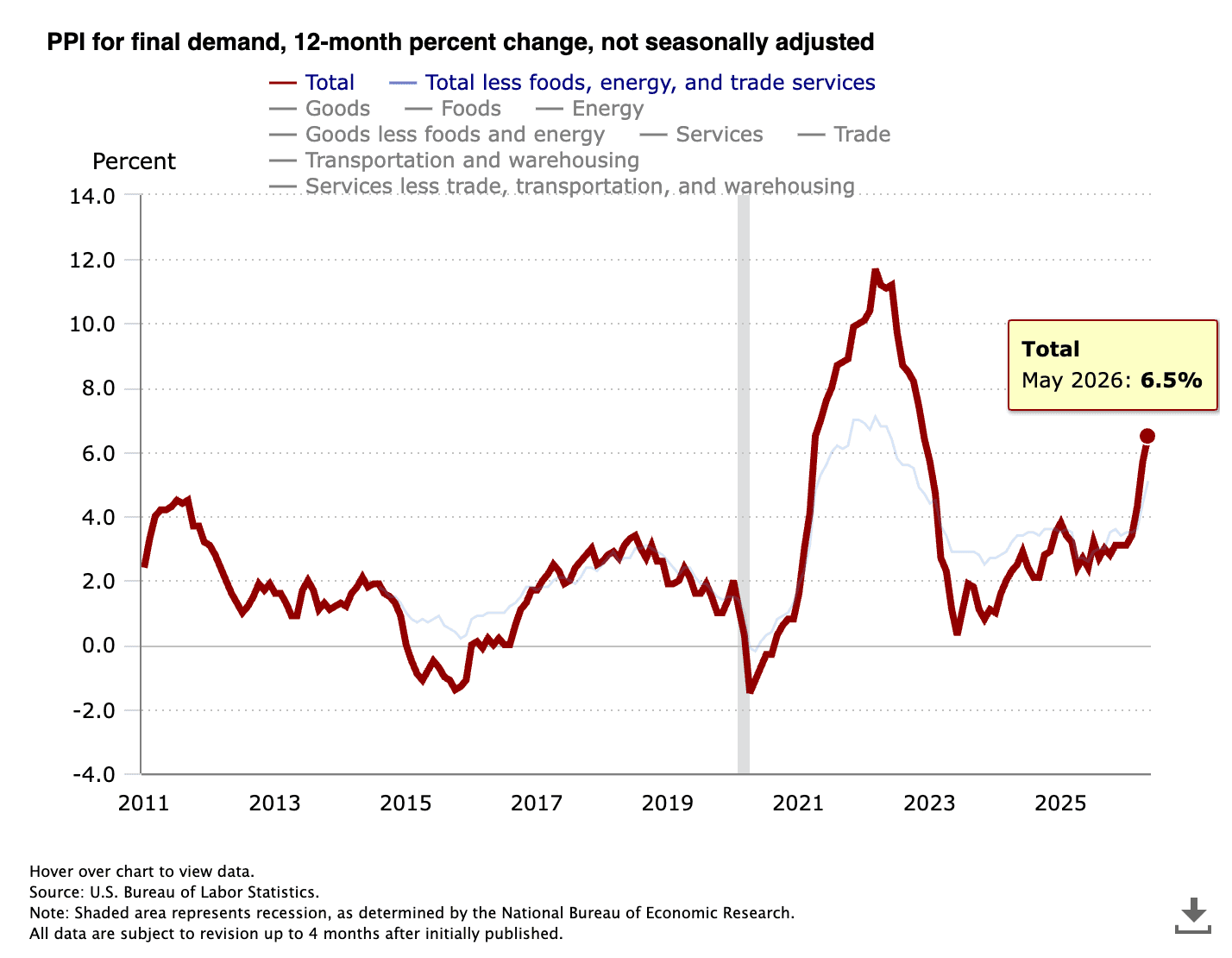
Price pressure is even more visible at the corporate level. Producer prices recently rose by 6.5%, reaching their highest level since late 2022. Central banks closely monitor such indicators because they often pass through to consumer prices with a delay.
The European Central Bank has already raised its key interest rate and revised its inflation forecasts upward. In the U.S. market, investors are also once again pricing in a higher probability of additional rate hikes.
For Bitcoin, this seriously changes the situation. Higher interest rates affect the valuation of almost all asset classes, especially those that depend on cheap liquidity or benefit significantly from it.
The indicator Bitcoin really reacts to
Right now, financial markets are focused on an indicator that is often more important than inflation itself: real interest rates. They show the return an investor receives after inflation is deducted. When real rates rise, government bonds and other fixed-income instruments become more attractive.
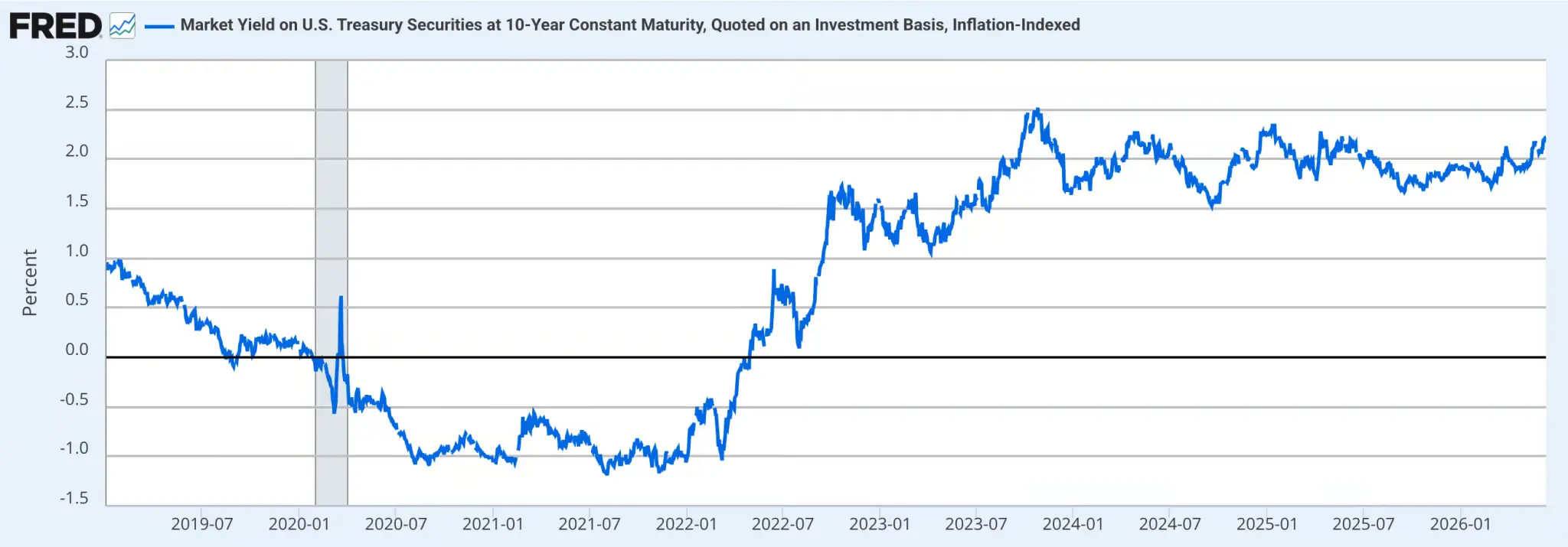
This is where the competition for capital begins. Bitcoin does not generate regular cash flow. The same is true of gold. Both assets depend on scarcity, trust or distrust in the system, and expectations of future price appreciation.
When investors can once again receive attractive returns in the bond market, capital starts to be redistributed. Some money flows out of alternative assets and back into traditional interest-bearing instruments. This explains why the latest inflation data did not trigger a new wave of Bitcoin buying.
Why gold and Bitcoin are under pressure at the same time
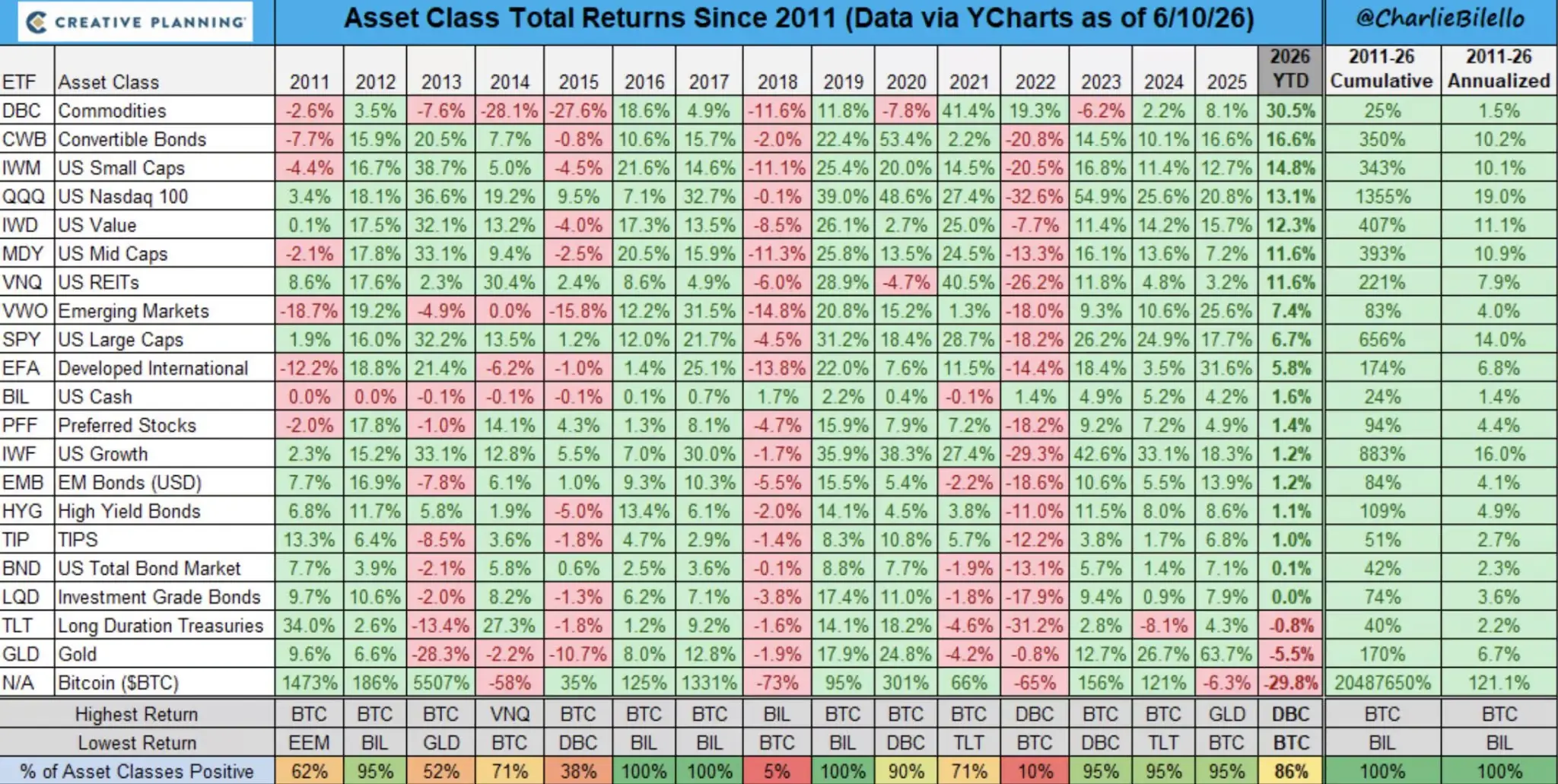
At first glance, the situation seems contradictory: inflation is rising, but gold is falling, and Bitcoin also remains under pressure. This is sparking debate among investors, as both assets have long been viewed as protection against the loss of purchasing power.
In practice, gold and Bitcoin often react to the same macroeconomic factors: real rates, liquidity, and expectations for central bank policy. When bond yields rise, both assets can come under pressure at the same time.
A similar pattern has already been seen during previous rate-hiking cycles. It was not inflation itself that determined price movement, but the reaction of central banks to it. This raises another question: is this a temporary market phase, or is Bitcoin’s role as an inflation hedge changing?
Has Bitcoin lost its inflation premium?
Current price action shows that Bitcoin is now trading differently than in previous inflationary periods. The cryptocurrency is still holding above important price zones, but its movement depends much more on rate expectations, liquidity, and risk appetite than on consumer inflation itself.
This does not mean that the thesis of Bitcoin as protection against inflation has completely failed. Markets rarely depend on only one factor. Different themes dominate in different periods. Right now, interest rates and central bank policy are in focus. This is why even a noticeable rise in inflation has not yet created sustained buying pressure.
The main question now is not how Bitcoin behaved in recent weeks, but what would need to change for the situation to turn around again.
What could bring support back to Bitcoin
In the coming months, the key factor will be the dynamics of real rates. If energy prices decline and core inflation continues to slow, pressure on central banks may ease. In this scenario, expectations for further rate hikes would decrease, while the attractiveness of bonds would decline.
This would reduce competition for capital and improve conditions for gold and Bitcoin. Scarce assets could then benefit more strongly from inflation concerns again, and the familiar market logic could return.
For now, however, the picture remains unchanged: rising consumer prices alone are no longer enough to launch a new bullish wave. The market is currently watching not so much inflation itself as the reaction of central banks.